
Zosia from Pien, Poland
The discovery.
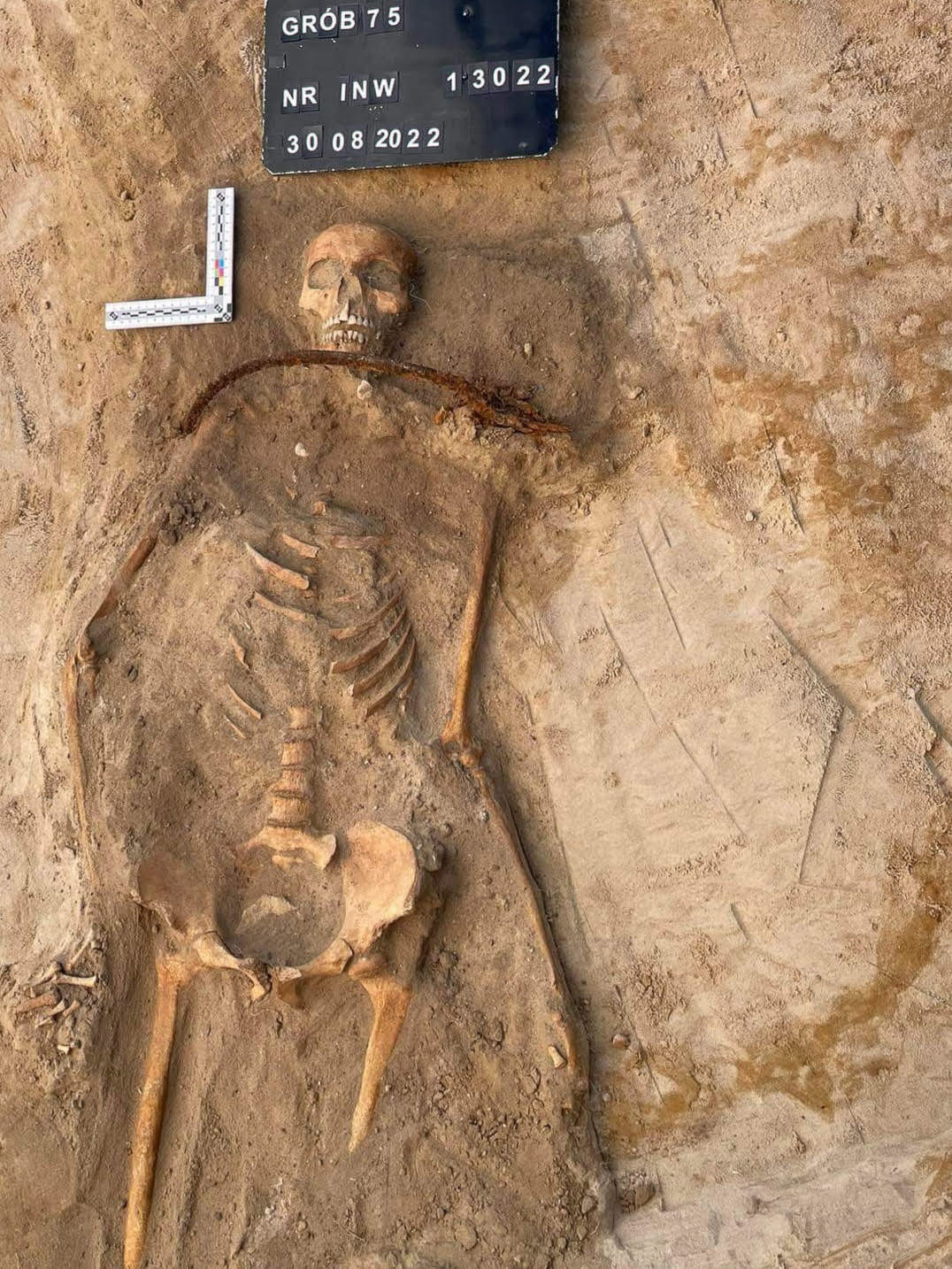
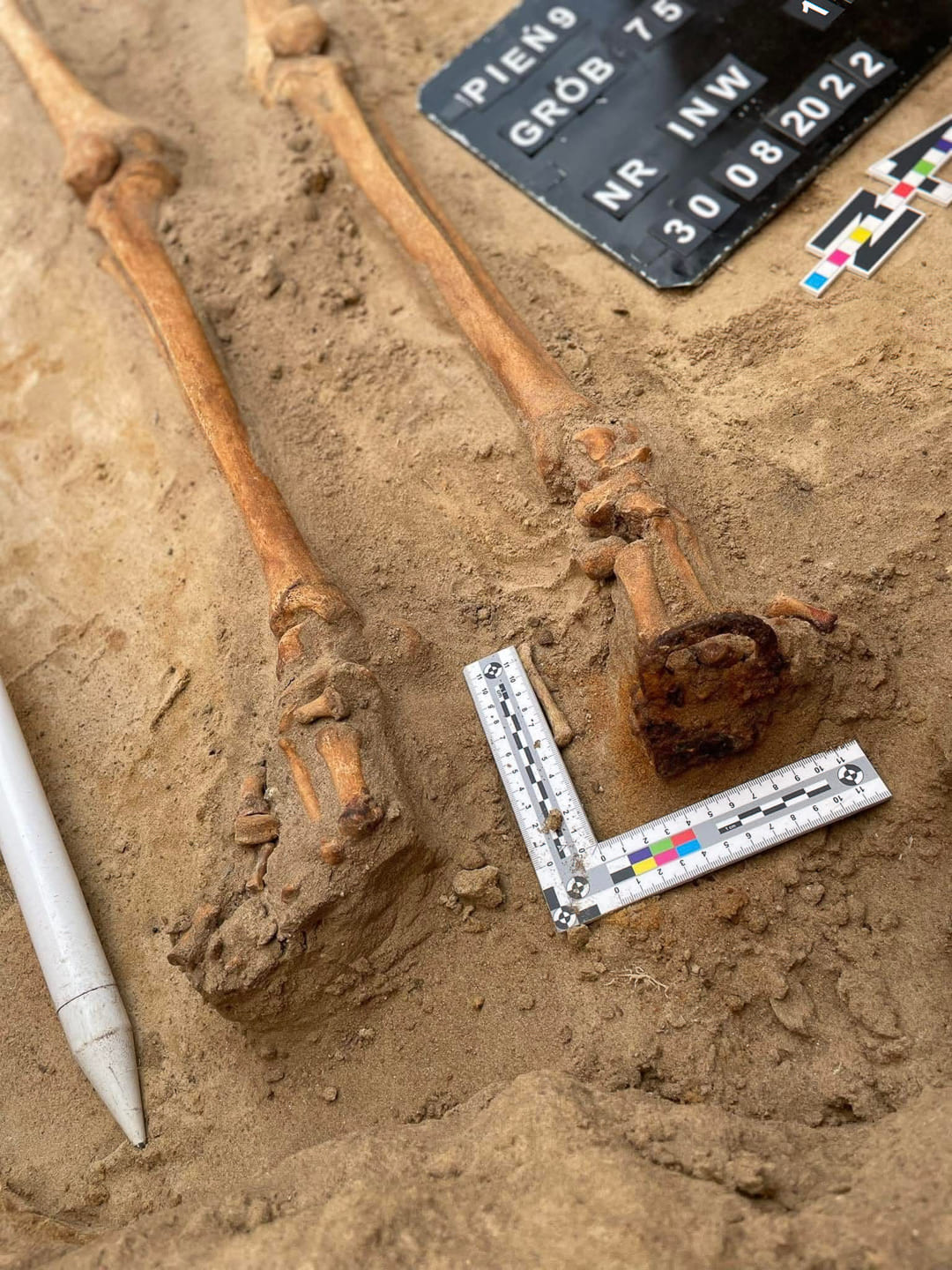
In 2022 an archaeological team led by Professor Dariusz Polinski and Magdalena Zagrodzka at Torun University came face to face with the legend of the Vampires. In the grave Nr 75 in Pien, Poland, they unearthed the remains of a young woman buried in the 17th century.
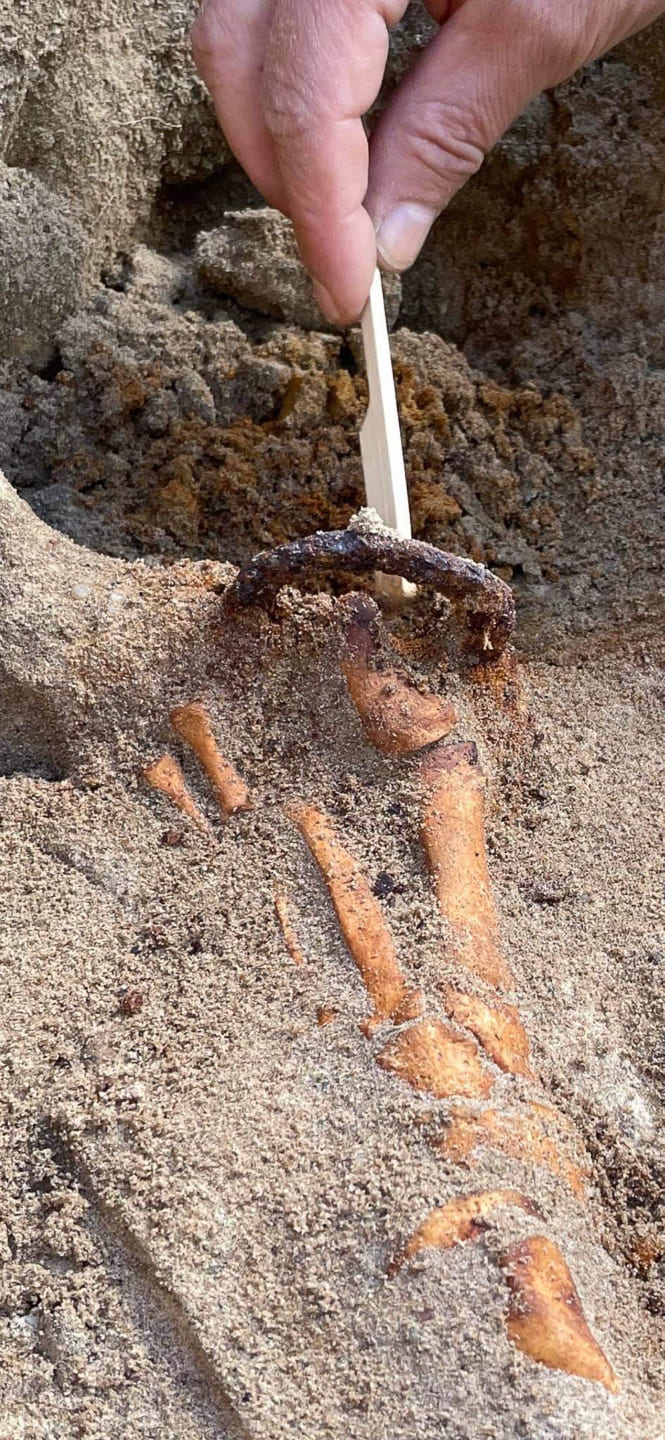
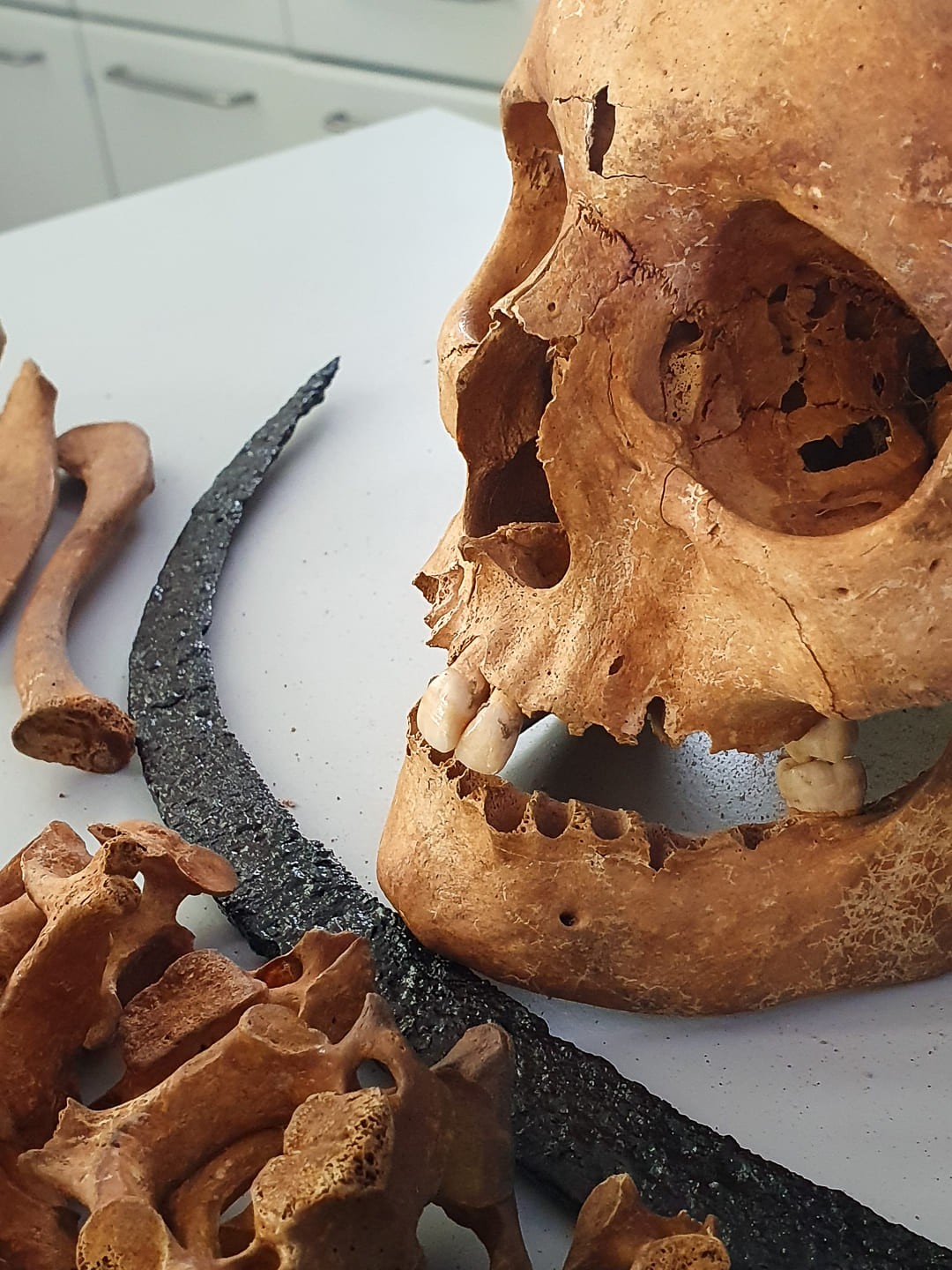
A truly shocking discovery: over the neck of the skeleton the blade of a sickle had been placed. And, in addition, a padlock was found on her left big toe. According to Polish folklore, dangerous people were thought to have two different souls, a good one and a bad one. The good soul could be kept inside the deceased person with a locked padlock. If the bad soul were let to take over, a demonic being could arise: a “striga”. Later known as a vampire.
Scary enough, the padlock in grave 75 was found open.
A possible chain of events can be reconstructed. The woman, feared or detested in her short life, was buried with the padlock on her toe. Shortly after the burial the the villagers of Pien experienced some unexplainable bad things and blamed the recently deceased woman. They opened her grave, found the padlock now open, and in great panic placed the sharp blade of a sickle over her neck. In case she would arise.



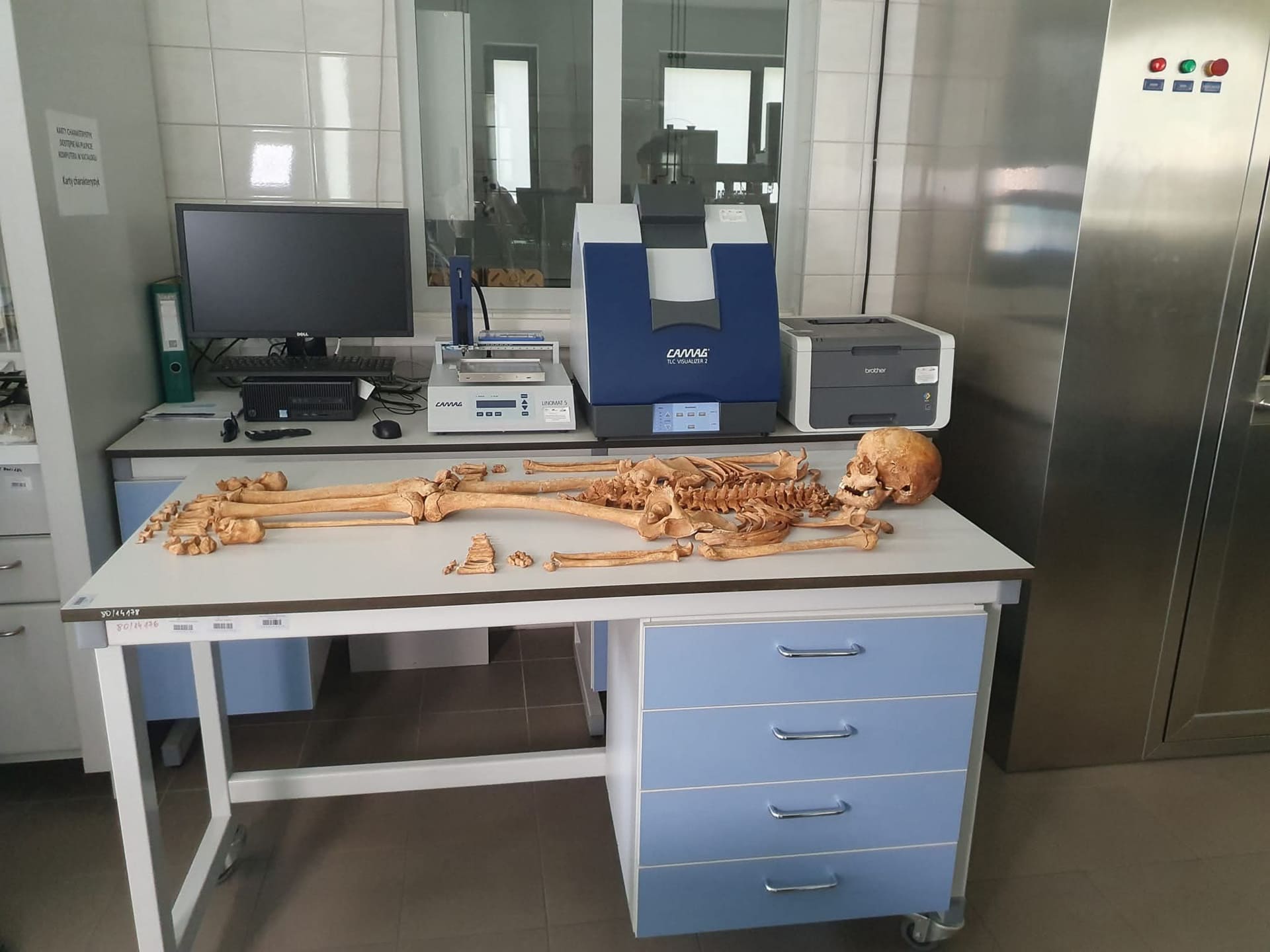

Analysing the remains.
So who was the person in the grave? The team led by Dariusz Polinski and Magdalena Zagrodzka decided to investigate this as thoroughly as possible.
The osteological analysis concluded it was a young woman about 18-20 years old and 162 cm tall. The skeleton had several signs of diseases:
– Her tibias had parallel horizontal lines, known as Harris’ lines.This indicates she suffered from malnutrition, trauma or disease at some point in her childhood.
– Her sternum showed evidence of cancer, that would have caused her a lot of pain, although probably not lethal. It could present, very visible, as a red mark on her chest, or a very big swelling the size of a softball.
– Her vertebrae closest to the skull showed evidence of Kimmerle’s anomaly. It causes severe headaches, sudden faintings and can even cause a stroke to the individual.
All this together the girl could have been looked upon as different, strange. Is this also the reason she was feared by the people of Pien?
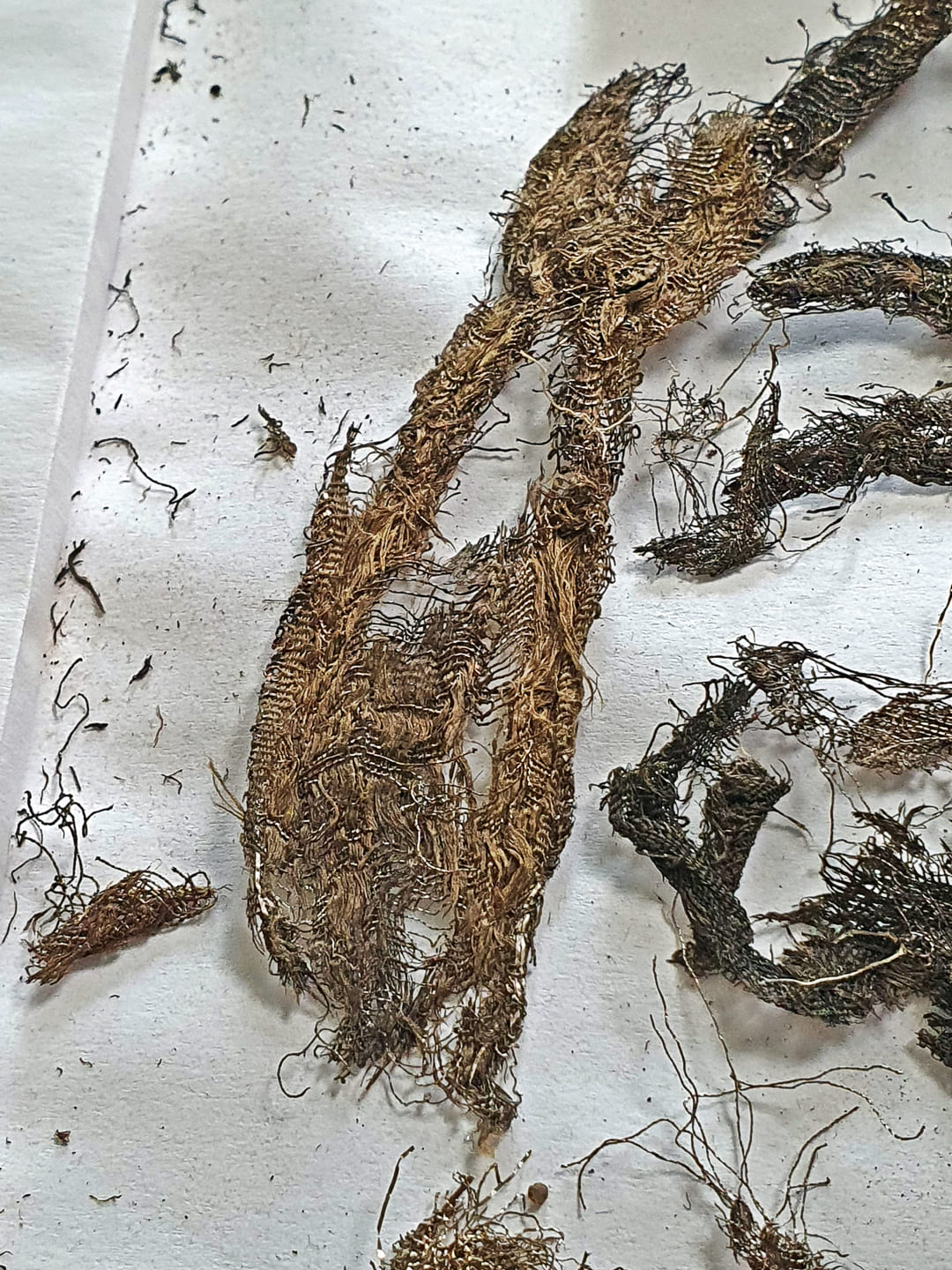
Close to her right ear and jaw something glittering caught the interest of the archaeologist. It was the fragments of a gold brocade ribbon, probably once attached to a bonnet. This tells us about her social status: such an exclusive textile could only have belonged to very wealthy person, maybe even of the nobility.
DNA and isotopic analyses gave some indication of origin: possibly pointing towards southern Sweden! At this time in the 17th century Sweden was involved in the disasterous 30 Year War, tormenting the population in Poland and it’s neighbouring countries. Swedes were not popular.
All this scientific research sketches the image of a girl being different, strange and maybe also disliked because of her family’s wealth and origin.
Knowing this much, the team felt she must get a name: Zosia.
The reconstruction of Zosia`s face.
My reaction when I first read about the Pien “vampire” burial was that it must be exaggerated. Is this for real? Then I saw the images, and realised the absolute rarity of this spectacular finding.
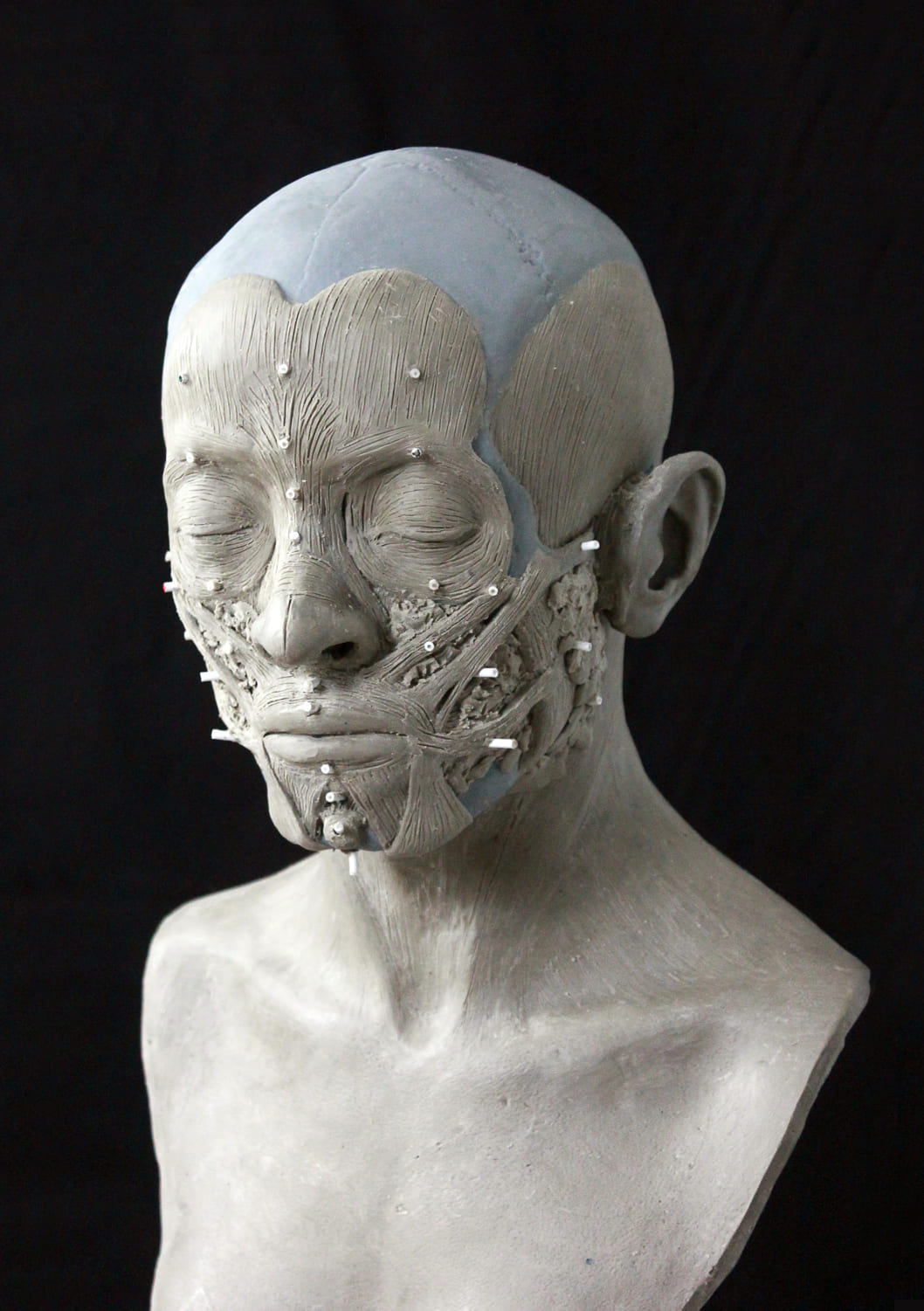
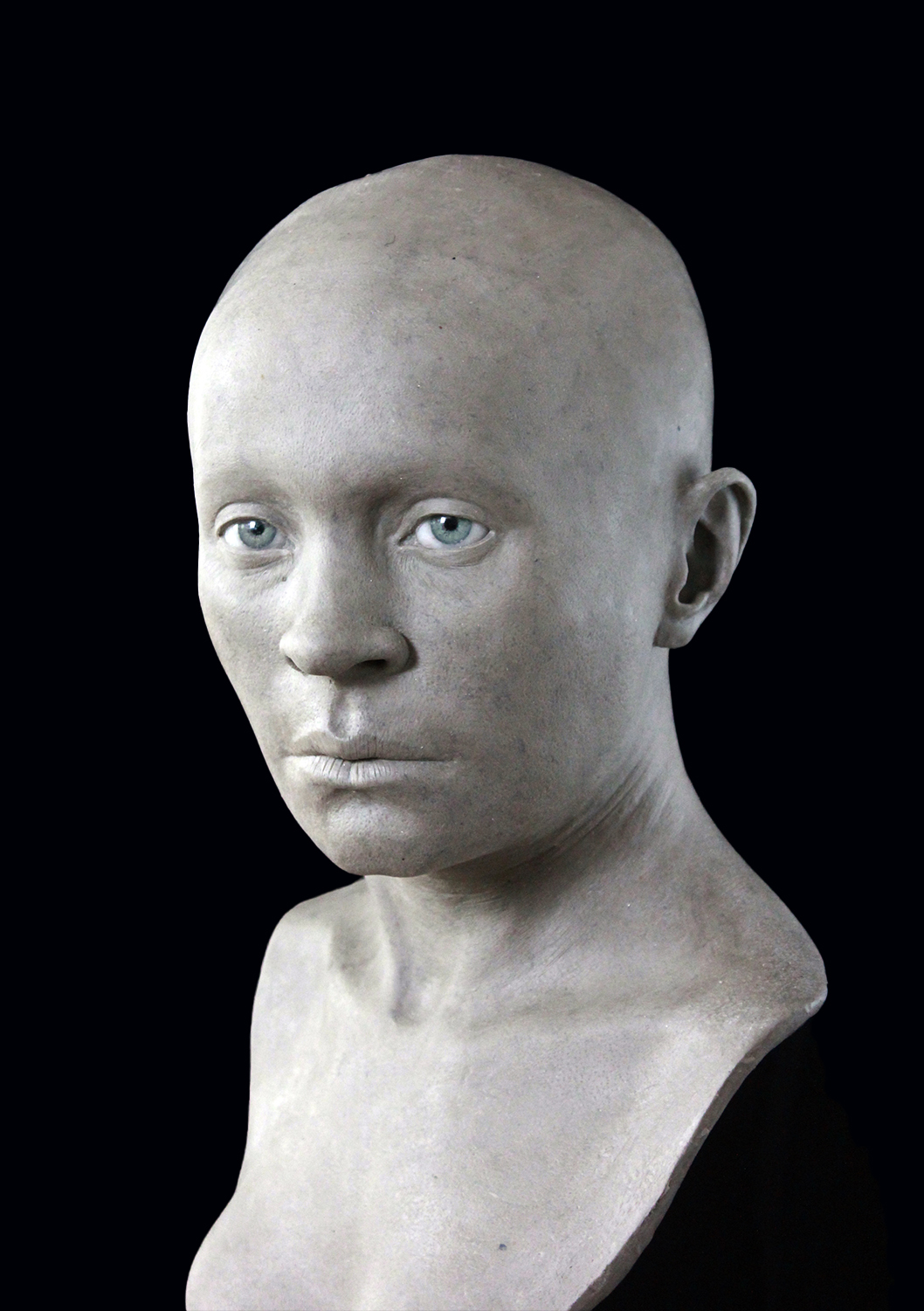
I was invited to Poland to meet Dariusz Polinski and Magdalena Zagrodzka and the team from Torun University. Seeing the remains of Zosia with my own eyes was emotional, it’s such a sad story. It led me to the insight that Zosia must be depicted as a human being, and not as the monster she was buried as.
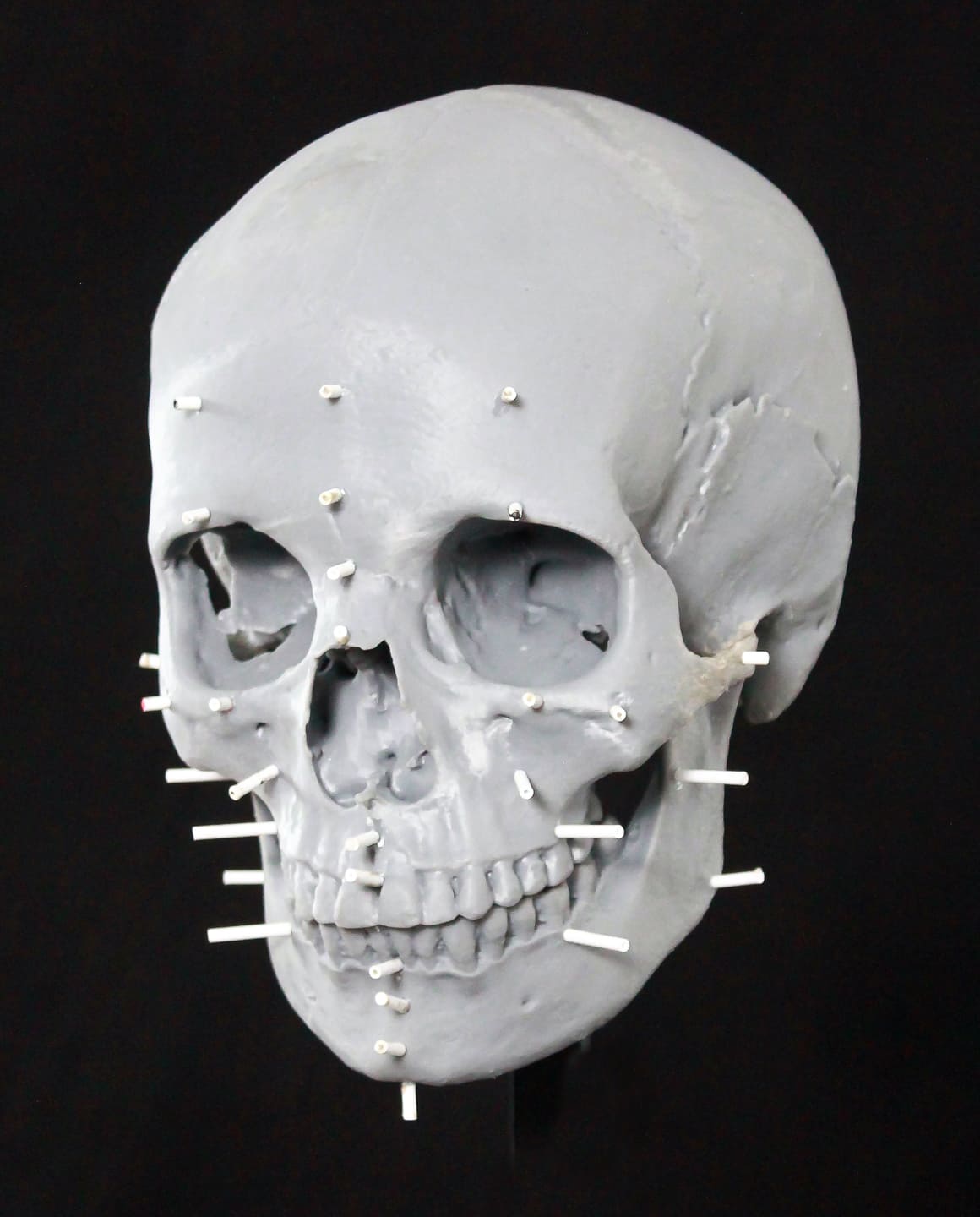
Back in my studio I began my work on a beautifully 3D printed replica of the skull.
Zosia obviously had a gracile and juvenile skull; almost no reliefs from the muscle attachments, and the facial shape a bit roundish.
The distance between her nose and mouth was long, and the mouth a bit protuding under the broad nose. A smooth vertical forehead over her wide set eyesockets. Her pigmentation was decided from the DNA and isotopic analyses, possibly pointing towards southern Sweden.
An interesting face. No vampire. Just a young woman, possibly from a wealthy family but clearly marked by her diseases.
A big thanks to Anna Silwerulv, the textile historian who made the beautiful clothes.
Photo Credits:
Caravan Media, Ewolucja Project Pien, Oscar Nilsson
On group photo from left: Alicja Drozd-Lipinska, anthtropologist, Professor Dariusz Polinski, archaeologist and Oscar Nilsson.