
Helge, Vasa Ship, Sweden
By combining the traditional osteological method for facial reconstructions with the latest facial DNA technology we are able to present the face of “Helge” from the Vasa ship.
A collaboration between O D Nilsson, the researchers at the Vasa museum and world leading geneticists.
This March, the new exhibition “In Life and Death” opened at the Vasa Museum in Stockholm, Sweden.
This project was a try challange, with a massive potential. The make it or break it question: is it possible to overcome the problem of incomplete facial skeleton by using data from facial DNA analysis?

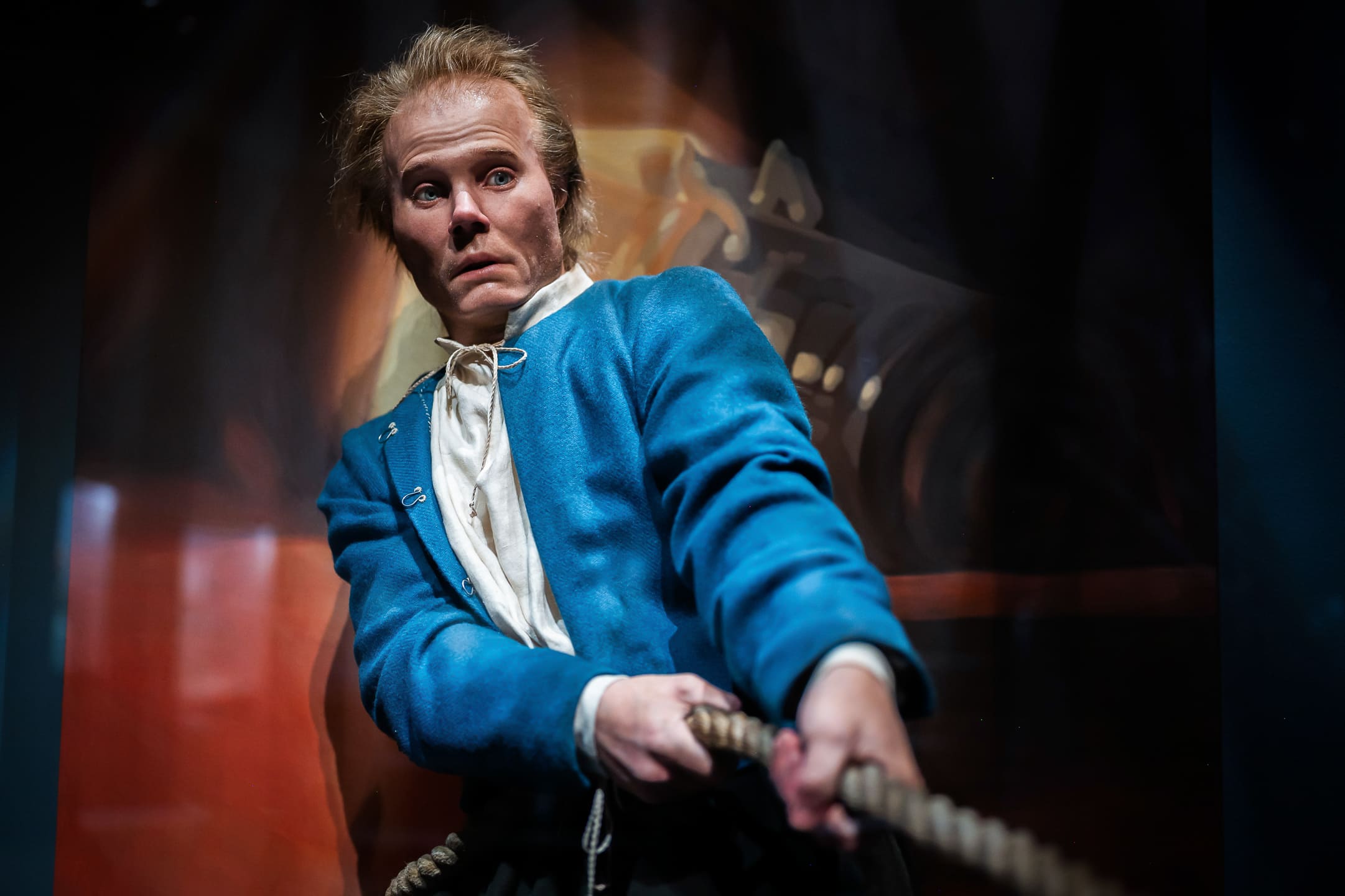

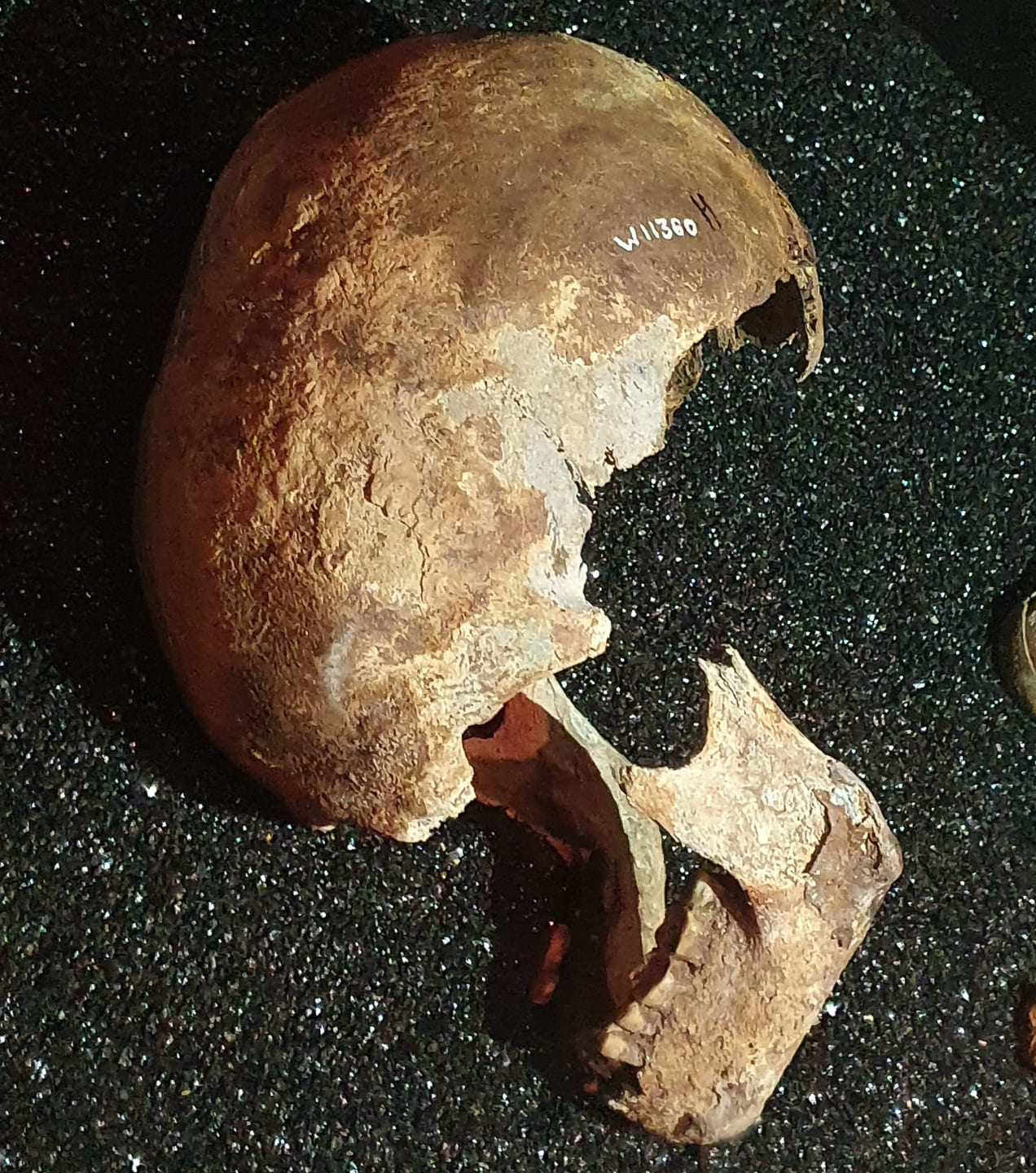

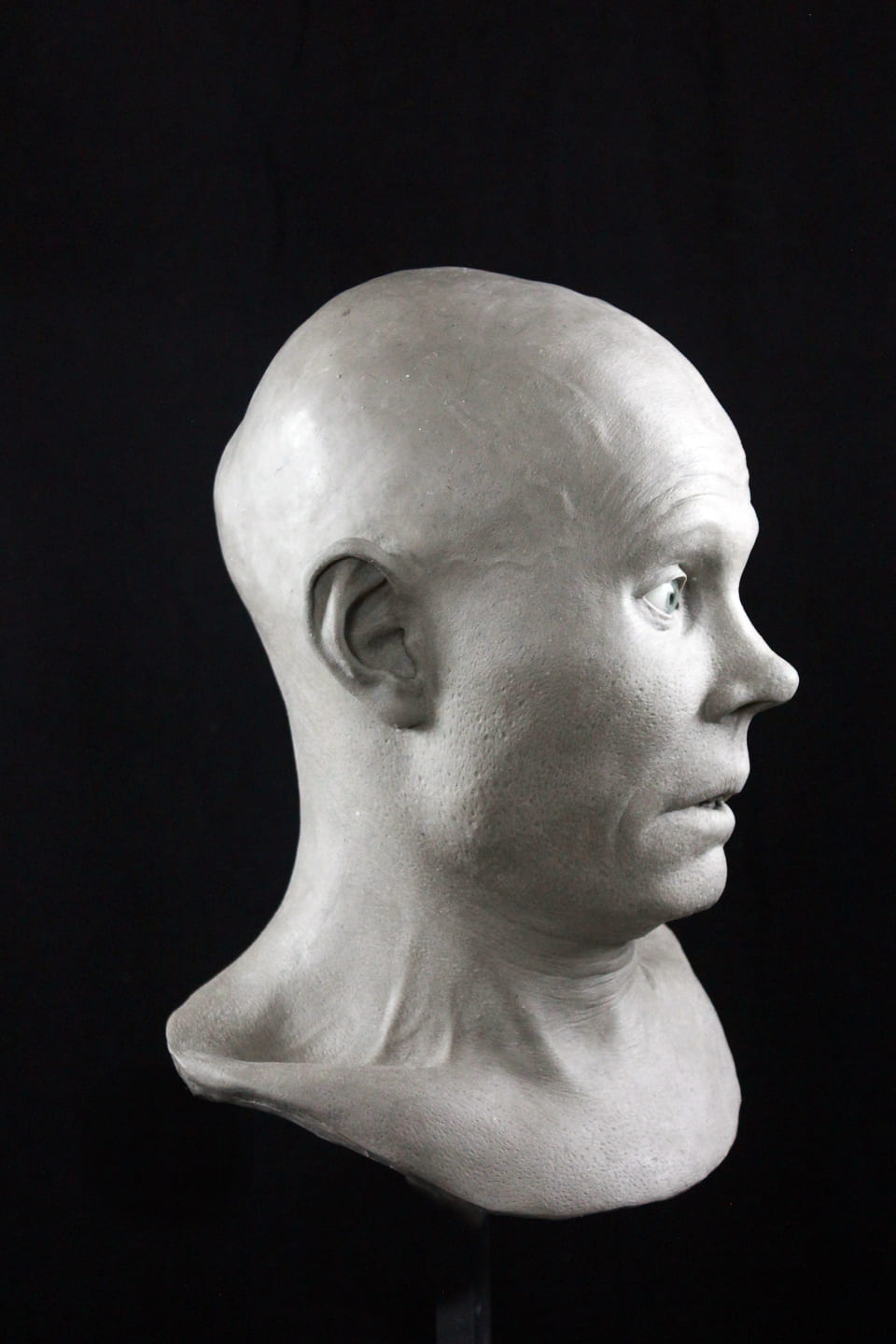

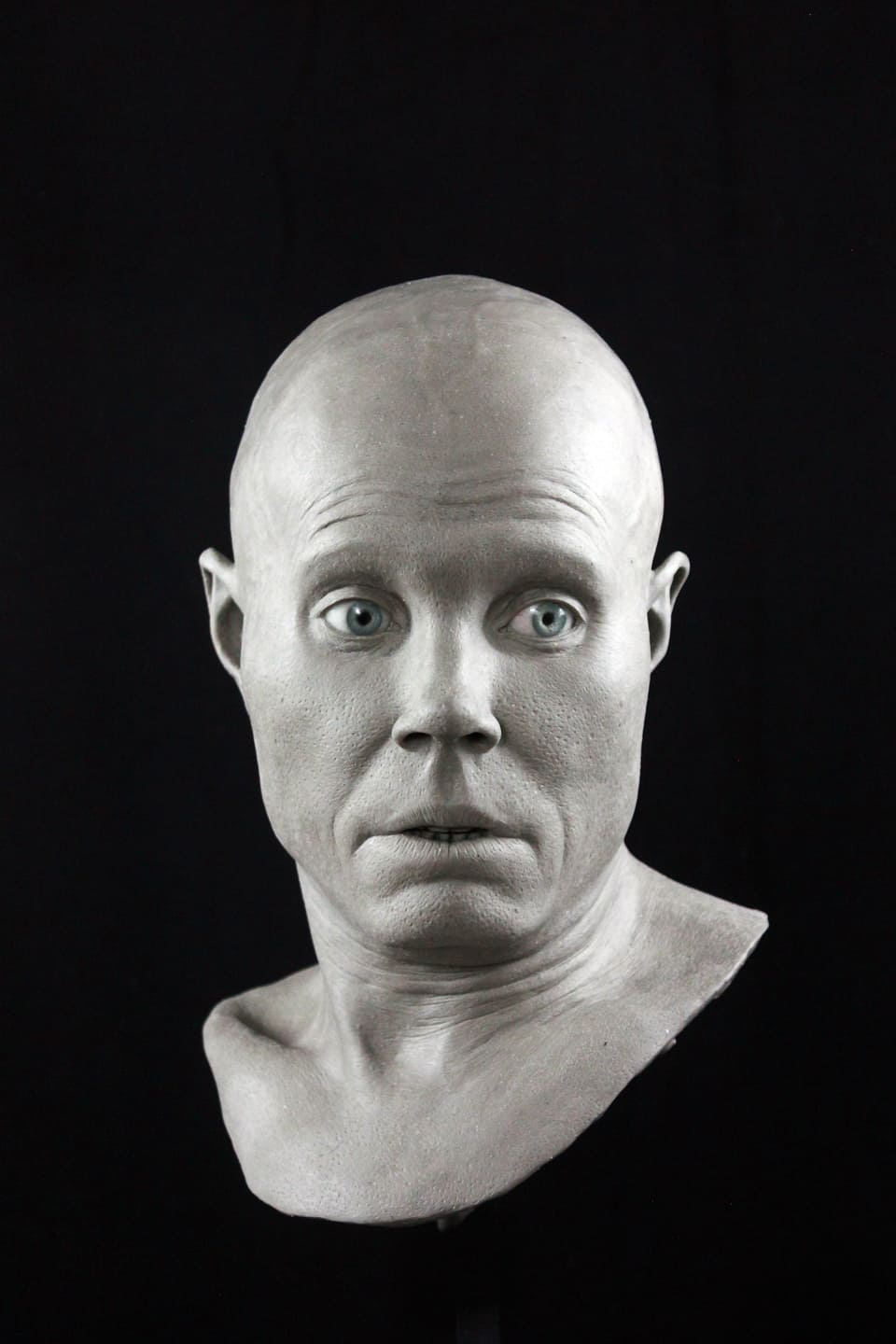
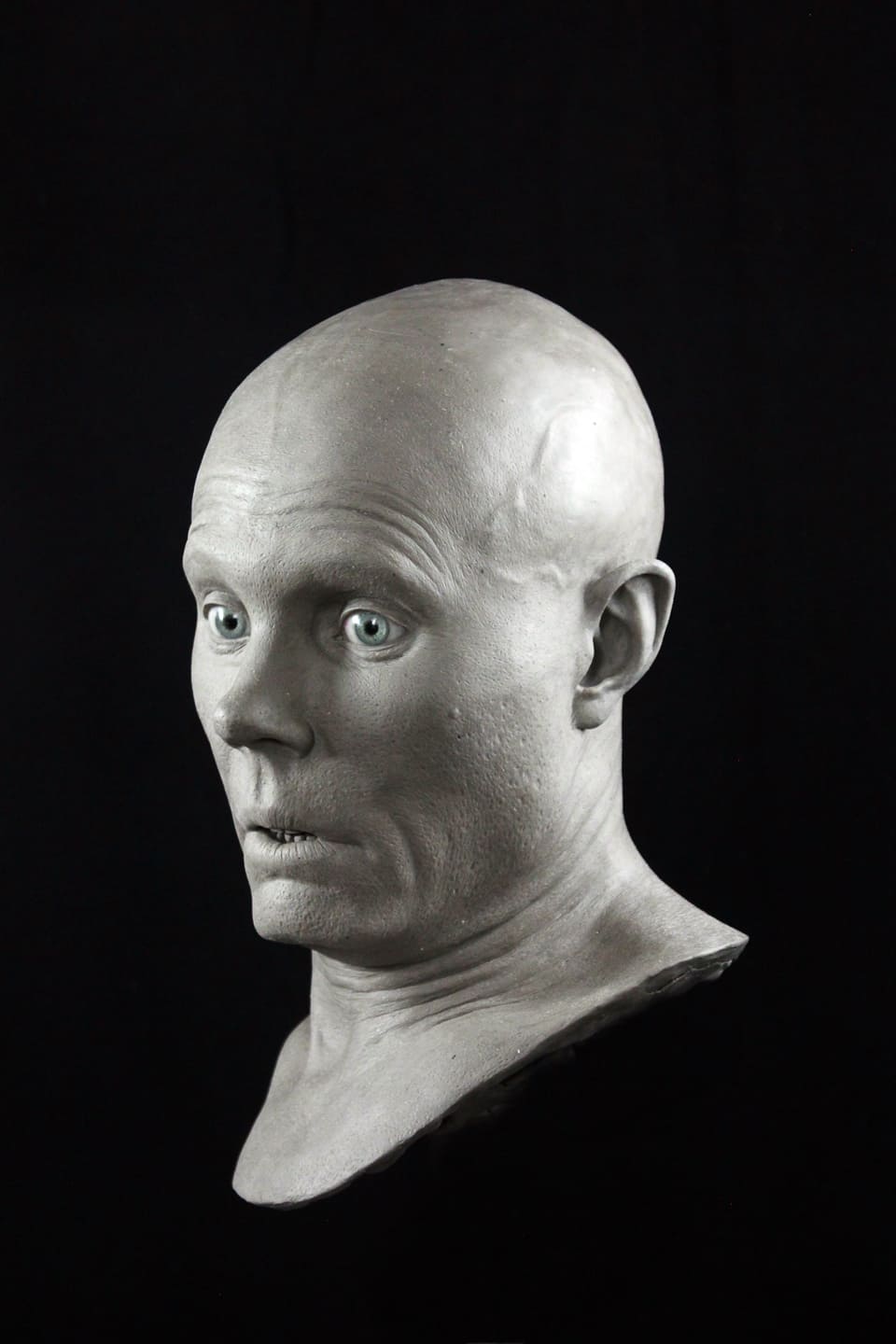
The traditional forensic method of reconstructing a face, based on the skeletal remains, has the recent 15 years been revitalized with the results of pigmentation from DNA analyses. The colours of the hair, the eyes and the skin are now among the most reliable aspects in a facial reconstruction. A huge step forward. However, the recent years methods of predicting the very features and details of the face has been have been developed, but never used in a physical facial reconstruction. Until now.
Geneticists in Uppsala led by Pr. Marie Allen in collaboration with the world leading forensic laboratory AFDIL in Delaware, USA, were able to determine not only the pigmentation of “Helge”, but also a number of his facial features. The genetic predisposition for the shape of his nose and nosetip, the size of his mouth and cheeks are examples of information that was used to recreate his face in this physical facial reconstruciton. Highly vital Information, as the mid face skeleton of “Helge” is incomplete. To our knowledge, this is the first time this kind of facial DNA information has been combined with the traditional osteological method of physical facial reconstruction.
The analysis showed that “Helge” had dark blonde hair, blue eyes and a pale to intermediate skin tone. His eyebrows were a bit darker than the hair, the eyes were deep set and the tip of his nose turned upwards, projecting a bit out from the face. A medium sized mouth, and his cheeks more likely to be “non puffy”. Furthermore Helge carried the genes for male pattern baldness. As he was quite young at the time of his death, about 35, we decided to only give him some hair loss in the front of his forehead. His actual hair is kept in a box in the museum’s storage rooms and shows a rather “full set” of hair, with a hair length of 8-10 cm.
Not only can we say what Helge probably looked like. We also know quite a lot about the last minutes of his life, on the 10th of August 1628. As a light breeze pressed the ship to tilt to the port side, water started to come flooding into the open gunports. Most likely, “Helge” was one of the men who was commanded down in the ship to move the heavy cannons from the port side to the starboard side, aiming to shift the balance.This commandation is documented as a witness statement in the investigation and trial following the shipwreck.
The finished reconstruction of “Helge ” captures him the very moment as he realizes that his work is in vain, the ship is going down. He had an impossible mission.
The remains of “Helge’s” clothes are well preserved: the shoes, the jacket and the trousers are still with us today, on display at the museum. Anna Silwerulv, the textile and costume historian at the Vasa museum, has made an astonishing research work on these clothes. Not only was she able to decide the colours of the jacket and the trousers, but also the pattern and quality of them. With this knowledge, she recreated “Helge’s” outfit to perfection.
The deck in the scene is tilting 15 degrees. Research has shown that at a 12 degree tilt, the open gunports of the ship would have started to take in water. And from that 12 degree tilt, there was no turning back.
Photo Credits:
Anneli Karlsson, Vasamuseet/SMTM
Lovisa Brämming, Vasamuseet/SMTM
Oscar Nilsson